For many immigrants it is difficult to call America their home,
even though they left their country a long time ago. However, they make it their
home by living close to their families and friends who immigrated from the same
country. They continue to cook traditional meals, open up restaurants and stores
that offer foods and items from their home country, they spend their free time
and weekends the way they would back home, and they celebrate their holidays
with traditional meals and customs.
There are many such "homes away
from home" in most metropolitan areas. One such ethnic neighborhood is in Greenpoint, Brooklyn. Walking into
some of its butcher stores, bakeries and restaurants makes one question that it
is still Brooklyn, or even still America.
In the stores and on the streets English is
not heard. Neither patron nor merchant speaks English at the butcher shop, where
sausages hang neatly off metal hooks above the counters, nor at the bakery,
where freshly baked breads come from the back of the shop. Store shelves strain
form the weight of traditional foods though it is rare to find the specialties
translated into English. Waitresses in restaurants and clerks in stores are
often incapable or reluctant to help with a translation because it is an ethnic neighborhood. A
neighborhood where English is the foreign language.
There are many stories of hardship and triumph in these
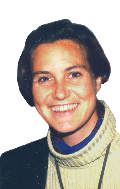
neighborhoods. One of which is Dana's. Since 1976 Dana's new home has been
Greenpoint. She immigrated with her husband, son and daughter to join her
family, who came to Brooklyn ten years before her.
"It was a trauma" she said. Her children had to go to school
immediately after their arrival, but did not speak a word of English. A kind
teacher, she said, offered to give extra English lessons to the children outside
the school hours. Dana did not speak any English either but went to English
classes, that were offered for women in her neighborhood. She took classes five
days a week for five hours per day, while getting settled into her new home,
learning about her new neighborhood and stores and especially, getting used to
the new customs.
"I did not feel welcome," she said, " everything was different,
and as immigrants we did not receive any help." Her husband, an engineer back
home, had to work as a draftsman for many years before continuing in his
profession. "The food is different, the working hours are different, and the
family values are different," Dana said. Yet, she said, back home they did not
have the same opportunities. The economic and political conditions did not allow
them to lead a peaceful and fulfilled life.
Now, Dana is glad that she put up with the struggle of
immigration and feels at home among the other immigrants in her neighborhood.
They all still share and enjoy their country's traditions and customs, while
having adapted to the American life.
Dana now works at a local neighborhood center that provides help
for newly arrived immigrants, that kind of help that she wished she had received
when she arrived. She said, that support and friendship, as well as the stores
and restaurants offer them to live a little bit like in their home country. It
helps them to feel at home away from home.